UK's Remote Gaming Duty Hike to 40% in April 2026 Puts Smaller Casino Operators Under Pressure
UK's Remote Gaming Duty Hike to 40% in April 2026 Puts Smaller Casino Operators Under Pressure

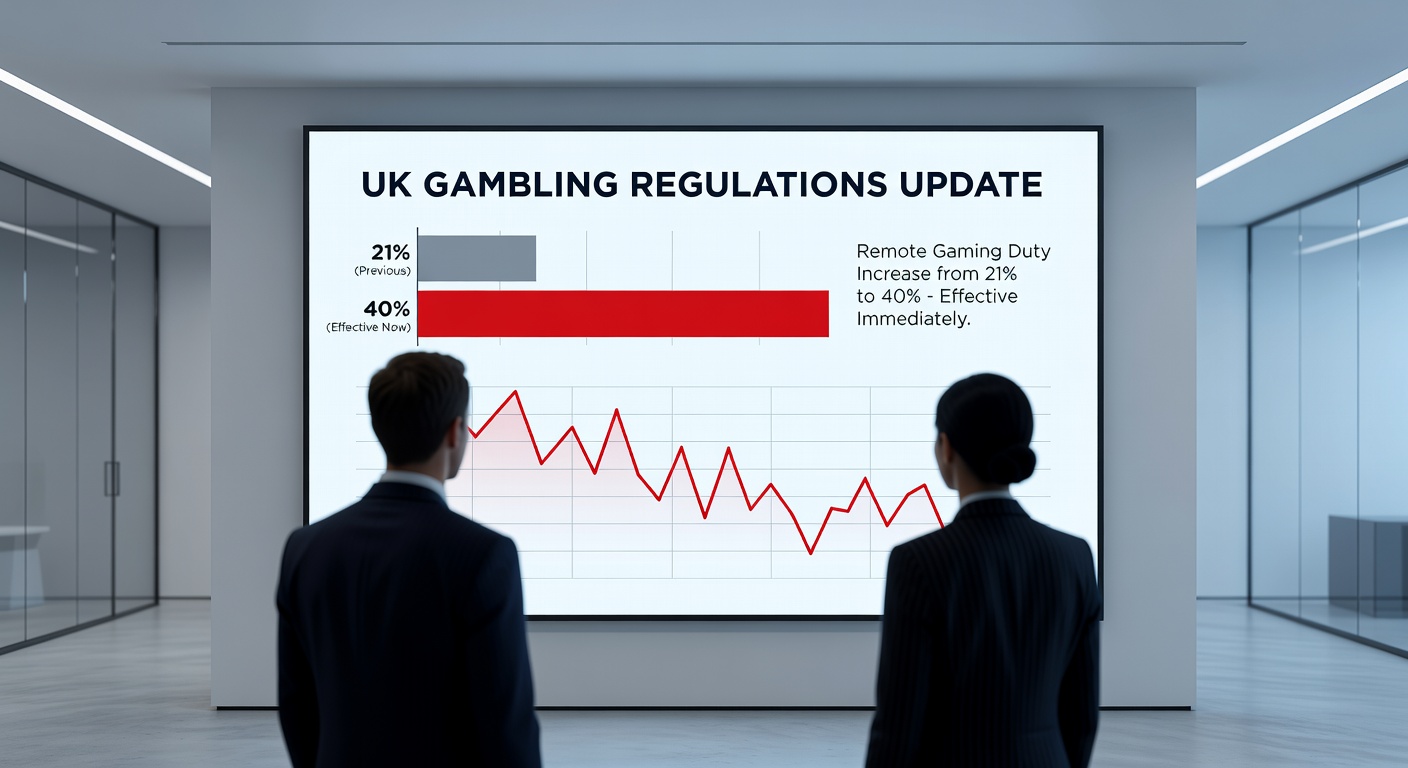
Stricter gambling regulations rolling out across the UK, particularly the Remote Gaming Duty jumping from 21% to 40% come April 2026, are hitting smaller casino operators where it hurts most; these changes, overseen by the UK Gambling Commission, aim squarely at bolstering player protection through enhanced affordability checks, tighter marketing rules, and beefed-up anti-money laundering measures, yet they pile on compliance costs that smaller firms struggle to shoulder.
What's interesting here is how these reforms, detailed in the government's changes to gambling duties, expose a stark divide between industry giants and the little guys; larger operators, with their deep pockets and tech-savvy teams, adapt swiftly to the new demands, while smaller casinos, often family-run or independently operated, face a squeeze that could force closures and spark widespread market consolidation.
The Remote Gaming Duty Spike: A Game-Changer Set for April 2026
At the heart of this regulatory overhaul sits the Remote Gaming Duty increase, shifting from its current 21% rate to a hefty 40% by April 2026; this tax, applied to online gambling profits generated from UK players, stands to reshape revenue streams for remote casino operators, many of whom rely on digital platforms to stay competitive in a post-pandemic world.
Operators note that while the duty targets remote activities primarily, its ripple effects touch land-based casinos too, especially those blending online and physical offerings; data from industry watchers, like those at Pound Sterling Live, reveals how smaller firms, generating slimmer margins, absorb these hikes disproportionately, often passing costs onto players or trimming operations just to break even.
And as March 2026 approaches, with final preparations underway for the April rollout, casino bosses scramble to recalibrate budgets; one observer in the sector points out that firms with under 50 employees, common among independents, dedicate up to 15% more of their overhead to tax compliance alone compared to their bigger rivals.
Affordability Checks and Compliance Burdens Weigh Heavy
Beyond the duty hike, affordability checks emerge as another thorn for smaller operators; these mandatory assessments, enforced by the UK Gambling Commission, require verifying players' financial health before allowing high-stakes bets, involving sophisticated data analysis and customer verification tools that demand significant upfront investment.
Smaller casinos, lacking in-house IT departments, turn to third-party providers for these systems, driving costs skyward; figures indicate compliance expenses could surge by 25-30% for independents, whereas conglomerates negotiate bulk deals and integrate checks seamlessly into existing platforms.
Take one regional casino chain in the Midlands, where managers report spending thousands monthly on software licenses just to meet these thresholds; such cases highlight how the rubber meets the road for under-resourced operators, who juggle these mandates alongside daily operations without the luxury of dedicated compliance teams.
Marketing Restrictions Clip Wings of Independent Casinos
Marketing rules tighten the noose further, banning inducements like free bets for new players and capping bonus offers that once drew crowds to smaller venues; these restrictions, designed to curb problem gambling, force operators to rethink customer acquisition entirely, shifting reliance from flashy promotions to word-of-mouth and loyalty programs.
Yet for smaller outfits, where ads on social media or affiliate sites formed the backbone of growth, this pivot proves costly; experts who've tracked the sector observe that compliance with these ad standards, including age-gating and transparent terms, requires legal reviews and monitoring tools that eat into already thin marketing budgets.
One study from gambling analysts uncovers that independents spend twice as much per customer on compliant campaigns compared to majors, who leverage economies of scale across vast portfolios; it's noteworthy how this levels the playing field in reverse, pushing modest players toward the sidelines.
Anti-Money Laundering Measures Add to the Strain
Anti-money laundering (AML) protocols ramp up scrutiny too, mandating enhanced due diligence on transactions over certain thresholds and real-time reporting to authorities; smaller operators, handling fewer but often loyal high-rollers, find themselves bogged down by paperwork and audits that larger firms outsource efficiently.
Data shows AML compliance alone could claim 10-20% of administrative time for small casinos, diverting focus from core business; those who've studied the landscape note cases where independents faced fines for minor procedural slips, accelerating a trend toward consolidation as buyers snap up distressed assets at bargain rates.
But here's the thing: while these measures undeniably fortify player safeguards, they accelerate a shakeout; industry reports predict up to 20% of smaller remote operators might shutter by 2027, handing market share to the top five firms who already dominate 70% of the space.
Market Consolidation Looms as Small Operators Eye Closures
The cumulative toll fosters an environment ripe for consolidation; smaller casinos, unable to scale tech or staff for the new regime, contemplate mergers or outright exits, paving the way for giants like Entain or Flutter to absorb operations at discounted valuations.
Observers point to recent precedents, such as the 2023 wave of independent closures following earlier white-label restrictions, where over a dozen small online casinos folded; now, with the duty hike on the horizon, similar patterns emerge, albeit amplified by broader compliance layers.
People in the know highlight how this dynamic, while streamlining oversight for regulators, reduces consumer choice; rural venues, often the community hubs run by locals, stand most vulnerable, potentially leaving gaps in regional gambling access.
So as April 2026 nears, stakeholders watch closely; the UK Gambling Commission maintains these steps prioritize protection, citing drops in gambling harm metrics from pilot programs, yet the sector grapples with balancing safety against sustainability.
Conclusion
In summary, the Remote Gaming Duty's leap to 40% effective April 2026, coupled with affordability checks, marketing curbs, and AML enhancements, disproportionately burdens smaller UK casino operators who lack the resources of larger players to adapt; this leads to elevated compliance costs, potential closures, and inevitable market consolidation under UK Gambling Commission oversight.
Turns out the path to player protection carves deep lines in the industry fabric; data underscores how independents bear the brunt, signaling a future where fewer, bigger names call the shots, while regulators keep a steady eye on evolving dynamics.