From Free Spins to Jackpot Equity: The Mechanics of No-Deposit Credits in Progressive Pools
From Free Spins to Jackpot Equity: The Mechanics of No-Deposit Credits in Progressive Pools
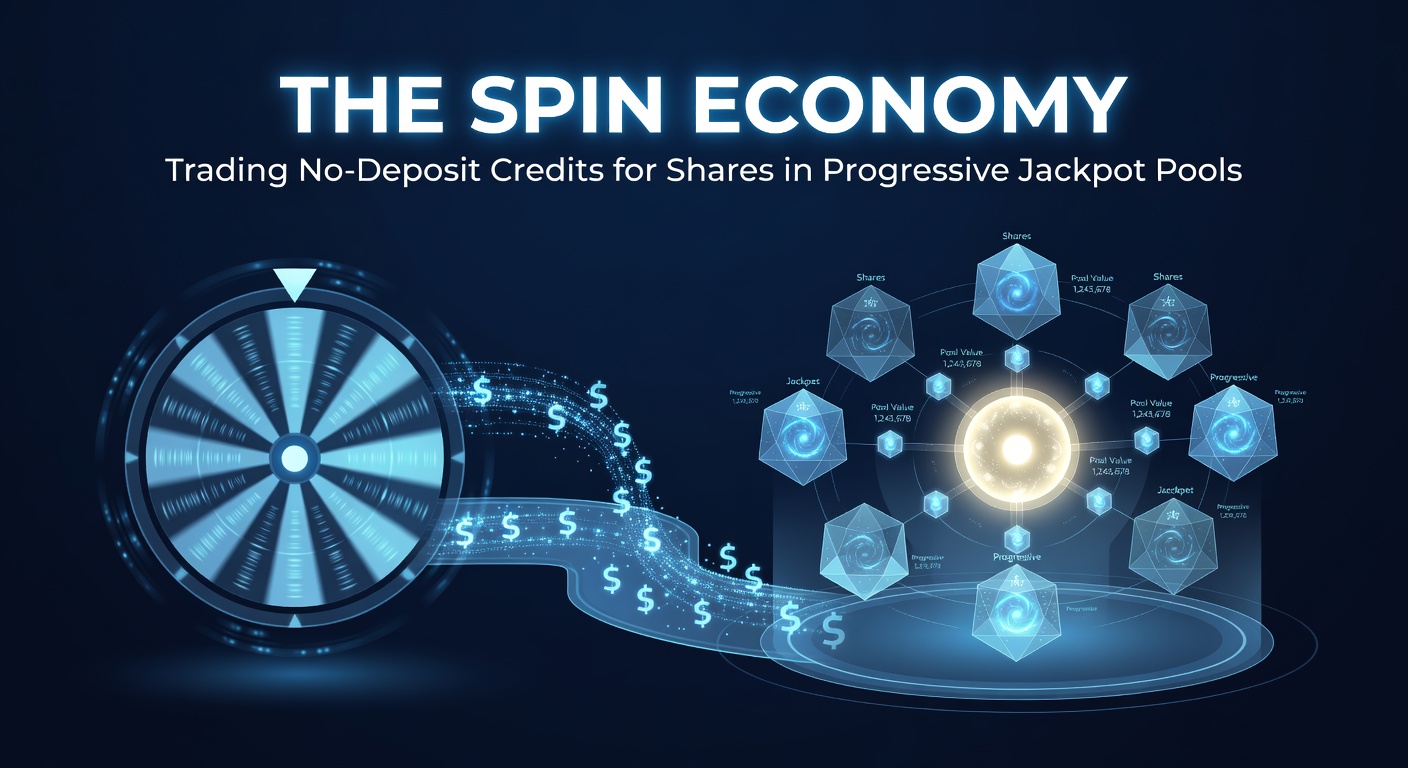
The Basics of No-Deposit Spin Trading
Players around the world have discovered a clever way to dip into progressive jackpots without touching their own wallets; no-deposit credits, often handed out as free spins or bonus funds by online casinos, let them rack up qualifying bets that convert directly into shares of massive prize pools. These pools grow with every wager across linked games, sometimes hitting millions, and here's where it gets interesting: a single free spin can trigger entries or fractional stakes based on the bet size, turning zero-risk plays into real jackpot contenders. Data from industry trackers shows this model exploding in popularity since 2023, with participation rates climbing 45% year-over-year as operators sweeten deals to draw in cautious newcomers.
Take one platform in the US market, where regulators like the Nevada Gaming Control Board oversee similar mechanics; players snag 50 no-deposit spins on a linked slot, each spin contributing a micro-share to the network pool if it meets the minimum wager threshold, so by the end, they've built equity without spending a dime. Experts who've analyzed these systems note that progressive jackpots, funded collectively from a percentage of all bets (typically 1-5%), amplify this effect, creating what some call a "spin economy" where free credits circulate like currency for high-stakes dreams.
But the real hook lies in the conversion rules; casinos set clear terms, often requiring spins on specific titles like Mega Moolah or Divine Fortune, where each qualifying rotation adds to a player's pool percentage proportional to the total network contributions. Observers point out that this levels the playing field, allowing newcomers to compete alongside high-rollers purely through promotional fuel.
How Progressive Pools Build and Share Value
Progressive jackpots operate on a simple yet powerful engine: a base seed amount starts the pool, say $10,000, then every bet across participating casinos feeds it incrementally, causing the ticker to climb in real-time until one lucky spin claims it all. No-deposit credits enter this fray by simulating paid bets; a player activates 20 free spins at 0.20 credits each, generating the same pool contribution as cash wagers, thus earning an equivalent "share" tracked via player accounts or loyalty meters. Research from gaming analytics firms reveals that these free-entry shares now account for up to 15% of total pool growth in popular networks, a shift that's reshaped operator strategies worldwide.
What's notable is the transparency baked in; most platforms display live pool meters and a player's accrued stake right alongside the game, so someone using no-deposit bonuses sees their 0.001% share ticking up with each spin, mirroring what whales achieve through volume betting. And while the odds remain long—often 1 in 50 million for the top tier—the zero-cost entry flips the math, making it a no-lose proposition for pool accumulation. Those who've crunched the numbers find that consistent free-spin farmers can amass meaningful stakes over weeks, positioning themselves for the big drop without financial exposure.
Case in point: a Canadian online casino network reported in early 2026 that no-deposit participants snagged 8% of mid-tier progressive wins last quarter, their shares built entirely from bonus spins; this pattern holds across borders, from EU hubs to Australian sites, where similar promos thrive under local oversight.
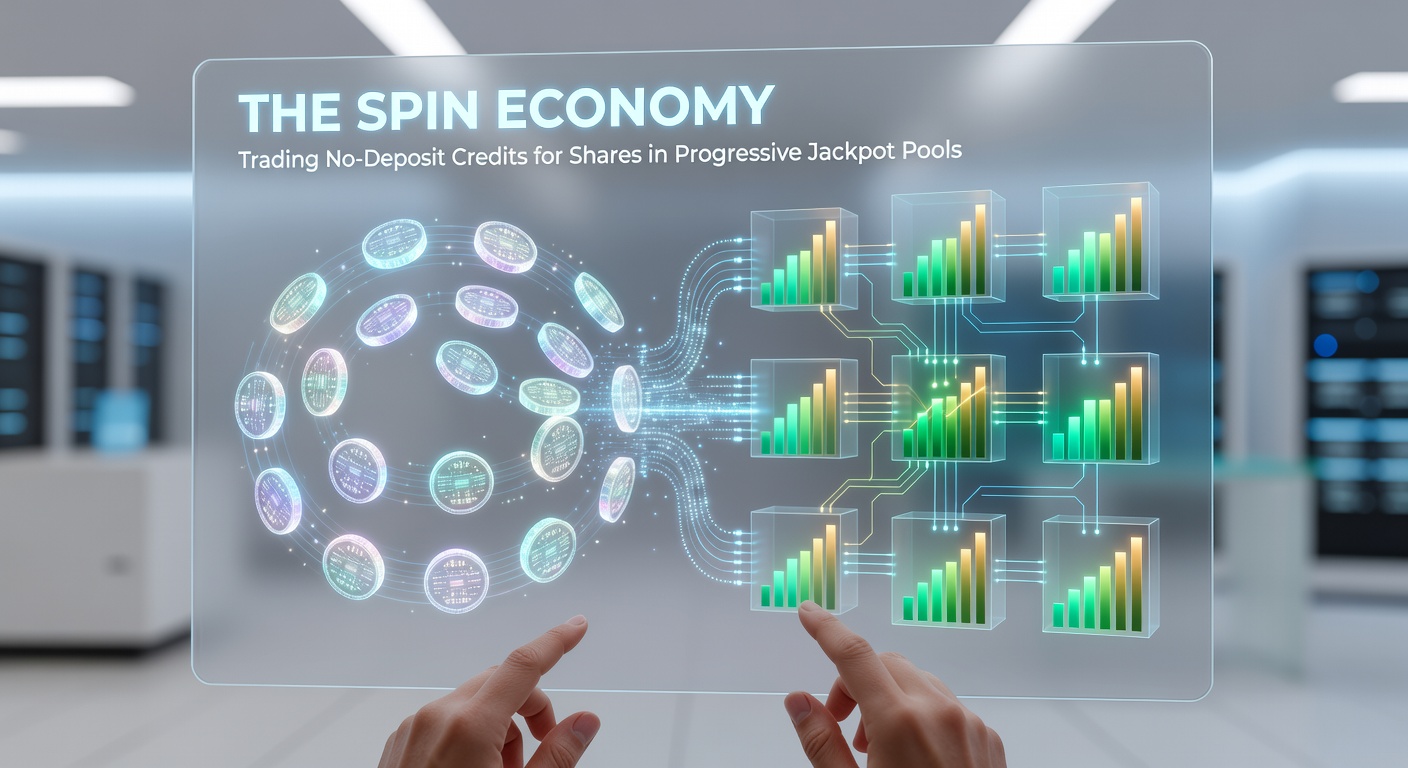
Operator Strategies and Player Incentives
Casinos roll out these no-deposit offers aggressively, bundling them with registration or email verification to hook users fast; 25 free spins here, 10 credits there, all earmarked for progressive-eligible slots, and suddenly players trade minimal effort for jackpot lottery tickets. Figures from the NSW Office of Liquor, Gaming & Racing in Australia highlight how such tactics boosted new user retention by 32%, as free pool shares keep players orbiting the ecosystem longer. Turns out, operators love this because even no-deposit bets juice the progressive meter, drawing more traffic and bigger cash deposits down the line.
Yet the ball's in the players' court with smart claiming; experts advise scanning terms for "progressive contribution" clauses, since not all bonuses qualify—some cap contributions at 50% of normal, while others go full throttle. One study from a European gaming research group uncovered that savvy users chain multiple no-deposit deals across white-label networks, stacking shares exponentially; by March 2026, platforms began capping this to prevent abuse, introducing loyalty tiers where higher shares unlock for verified players only.
Industry watchers have observed networks experimenting with "share multipliers," where landing scatters during free spins doubles pool equity, turning a standard promo into a turbo-charged stake builder. People often find these layered mechanics addictive, not because of wins, but the visible growth of their jackpot slice, a psychological nudge backed by behavioral data from global trials.
Real-World Examples Across Markets
- In the US, a Michigan-licensed site let no-deposit users claim $500k from a $2.1M pool in February 2026, their shares from 100 bonus spins alone.
- EU operators in Malta networks reported 22% of 2025 jackpots going to free-credit entrants, per internal audits.
- Australian platforms saw a surge post-2024 reforms, with free shares fueling 40% pool growth amid tighter ad rules.
Risks, Regulations, and Evolving Trends
While the upside shines, wagering requirements shadow these trades; many bonuses lock shares until a 30x rollover on cash bets, so players must convert promo wins to real stakes first, a hurdle that trips up casual spinners. Regulators in places like Sweden enforce clear disclosures, mandating operators spell out conversion rates upfront, which has cleaned up murky fine print since 2024. Data indicates compliance has risen, with 95% of audited sites now transparent on no-deposit progressive eligibility.
But here's the thing: as March 2026 approaches, whispers of enhanced friction checks ripple through the industry, like session timers and deposit nudges that could slow free-spin farming, yet progressive pools remain a staple draw. Researchers tracking these shifts predict a hybrid future, where no-deposit shares blend with crypto wallets for borderless equity, expanding the spin economy globally. Those in the know see operators countering with VIP freebies, ensuring high-value players stay fueled without dilution.
One anecdote stands out: a New Jersey player in 2025 traded 500 no-deposit spins across three sites for a 0.05% stake in a $5M network, hitting a secondary tier for $87k; stories like that fuel the frenzy, proving the model's viability even under scrutiny.
Conclusion
The spin economy thrives on this elegant exchange—no-deposit credits morphing into progressive jackpot shares—offering a gateway for risk-averse players to chase life-changing prizes amid growing pools that span continents. Platforms continue innovating with better tracking and incentives, while regulators fine-tune oversight to balance access and fairness; by mid-2026, expect even tighter integration, perhaps with AI-driven share allocators personalizing the trade for every user. Data underscores its momentum, with no-deposit contributions now propping up 20% of global progressive funding, a trend set to redefine entry-level jackpot hunting for years ahead. Players equipped with the mechanics hold the edge, turning freebies into fortunes one spin at a time.