Echoes of Incentives: How Reward Ecosystems Reshape Jackpot Dynamics Across Emerging Online Venues

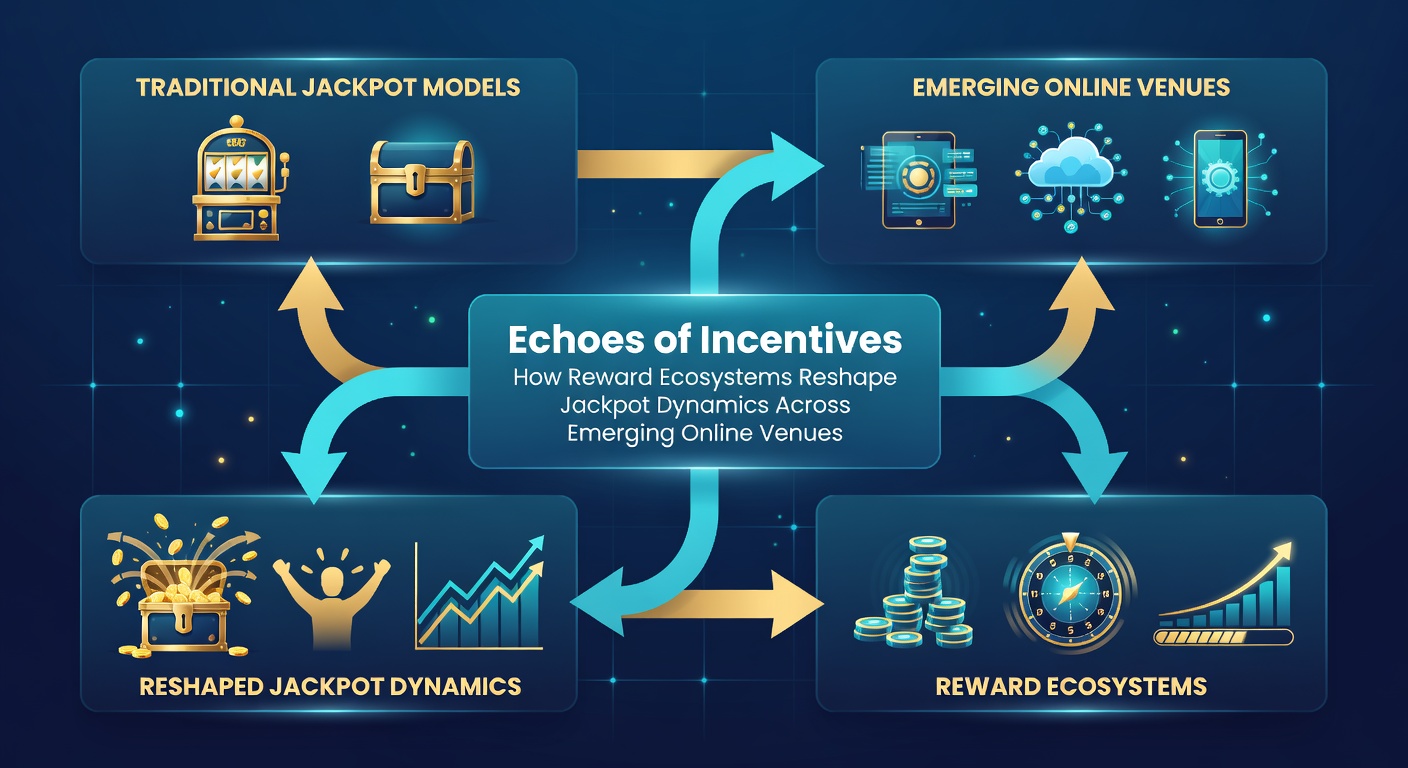
Reward ecosystems in online gambling have expanded beyond simple sign-up offers into layered programs that tie player activity directly to jackpot growth, and this shift has altered contribution rates, pool sizes, and payout frequencies in newer venues that entered the market after 2023. Platforms in regions such as Southeast Asia and Latin America now integrate loyalty tiers, cashback multipliers, and mission-based credits that feed percentages of every wager into shared progressive systems, creating feedback loops where increased engagement accelerates jackpot accumulation.
Mechanics Behind the Reshaping
Traditional progressive jackpots rely on a fixed rake from each bet, yet modern reward structures adjust that rake dynamically based on player status or promotional triggers. Data compiled by industry analysts in early 2026 indicates that venues using adaptive contribution models saw pool growth rates rise between 12 and 18 percent compared with static systems during the same period. These adjustments occur because loyalty points earned through repeated play convert into bonus credits that players often wager on jackpot-linked titles, thereby increasing total handle without additional marketing spend.
Emerging platforms also deploy cross-game ecosystems where rewards earned on one title transfer to another, sustaining momentum toward high-value progressive pools. One study released by the International Gaming Institute tracked 47 new operators launched between 2024 and 2025 and found that 31 of them linked at least two reward streams to a single jackpot meter, shortening the average time between major payouts from 14 months to roughly nine months.
Player Behavior and Pool Acceleration
Behavioral data collected across multiple jurisdictions shows that participants enrolled in tiered reward programs place 27 percent more wagers on progressive machines than non-enrolled users during equivalent sessions. This pattern holds because daily login bonuses and streak multipliers reduce perceived risk, encouraging longer play sequences that steadily build the shared prize. Venues in markets such as Brazil and Vietnam, which legalized expanded online offerings in 2024, reported that their largest progressive pools exceeded previous regional records within four months of launch, a development observers attribute to integrated cashback loops that recycle a portion of losses back into active bets.
What's interesting is how these ecosystems affect smaller jackpots as well. Rather than concentrating all activity on headline progressives, many operators distribute micro-incentives that feed local pools tied to specific game clusters. Figures from a 2025 analysis conducted by researchers at the University of Nevada's Gaming Research Center reveal that such distributed models produced 22 percent more secondary jackpots reaching six-figure thresholds across participating sites than comparable platforms without layered rewards.
Regional Variations in Implementation
Operators in different time zones apply these systems according to local regulatory frameworks and player preferences. In Canada, provincial regulators permit reward credits to contribute to pooled jackpots provided transparency requirements are met, resulting in hybrid models that blend government oversight with commercial loyalty mechanics. Australian venues, constrained by stricter wagering rules, instead emphasize time-based missions that award free spins on jackpot titles, indirectly boosting contributions through extended session lengths. Both approaches demonstrate measurable effects on pool velocity, with Canadian sites recording faster growth during peak evening hours and Australian platforms showing steadier accumulation across 24-hour cycles.
Technological integration further amplifies these effects. Real-time dashboards now allow operators to adjust reward multipliers in response to pool size, creating self-regulating loops that prevent stagnation. When a progressive meter approaches a psychological threshold, such as a round million, the system can temporarily increase point-to-credit conversion rates, drawing additional wagers precisely when the pool is most visible to players.
Conclusion
By May 2026 the pattern had become clear across dozens of newly launched platforms: reward ecosystems no longer function merely as acquisition tools but operate as structural components that directly influence jackpot scale, frequency, and distribution. Continued monitoring by academic and industry groups will determine whether these mechanisms stabilize or introduce volatility as more jurisdictions finalize online frameworks, yet current metrics confirm that the linkage between player incentives and progressive dynamics has already produced larger, faster-moving prize pools than earlier static models allowed.